
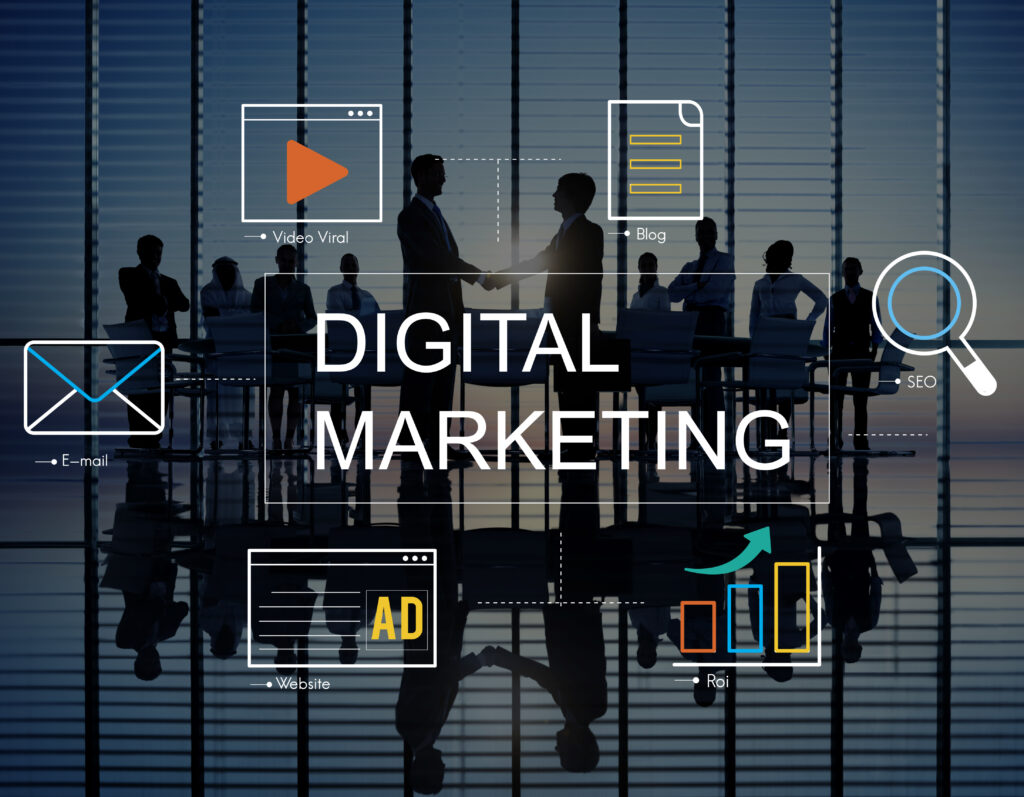
In the fast-paced digital world, having an online presence isn’t enough—what truly matters is having a digital marketing strategy that converts. Many businesses invest time and money into online marketing but struggle to turn traffic into tangible results. The secret lies in creating a clear, data-driven, and customer-focused strategy.
Here’s a step-by-step guide to building a digital marketing strategy that drives real conversions and long-term growth.
1. Set Clear and Measurable Goals
Every successful marketing campaign starts with well-defined goals. Without direction, you can’t measure success or optimize performance.
Use the SMART framework—Specific, Measurable, Achievable, Relevant, and Time-bound—to set your objectives. For example, instead of saying “increase website traffic,” aim to “increase organic website traffic by 30% within three months.”
Your goals will determine your marketing approach, budget, and content strategy. Whether you’re aiming to boost sales, generate leads, or increase brand awareness, having clarity ensures your efforts are focused and effective.
2. Understand Your Target Audience
Knowing your audience is the foundation of a high-converting marketing strategy. When you understand who your customers are, what they need, and where they spend their time online, you can tailor your message to resonate with them.
Create detailed buyer personas—fictional representations of your ideal customers that include demographics, interests, pain points, and buying behaviors.
💡 Pro Tip: Use tools like Google Analytics, Facebook Audience Insights, or customer surveys to gather valuable data about your audience.
3. Map Out the Customer Journey
Your audience goes through different stages before making a purchase—Awareness, Consideration, and Decision.
Understanding this journey helps you create content that guides potential customers at every step.
- Awareness Stage: Create educational content like blogs, videos, and infographics to attract attention.
- Consideration Stage: Offer case studies, eBooks, or webinars that showcase your expertise.
- Decision Stage: Use testimonials, free trials, and clear calls-to-action to encourage conversions.
A seamless customer journey builds trust and moves prospects naturally toward taking action.
4. Choose the Right Marketing Channels
Not every platform suits every business. Focus on the channels where your audience is most active and where you can deliver consistent value.
Here are the key digital marketing channels to consider:
- Search Engine Optimization (SEO): Improves visibility and drives organic traffic.
- Social Media Marketing: Builds relationships and brand awareness.
- Email Marketing: Nurtures leads and promotes customer retention.
- Pay-Per-Click (PPC) Advertising: Delivers fast, targeted results.
- Content Marketing: Establishes authority and educates potential customers.
Start with two or three channels, measure results, and scale what works best.
5. Create High-Converting Content
Content is at the heart of every digital marketing strategy. To convert visitors into customers, your content should be informative, engaging, and action-oriented.
Use a mix of formats—blog posts, videos, infographics, and case studies—to appeal to different types of audiences.
Always include strong calls to action (CTAs) that guide users on what to do next, such as “Subscribe Now,” “Download the Free Guide,” or “Book a Consultation.”
6. Track, Analyze, and Optimize
A digital marketing strategy is never static. Continuous improvement is key to long-term success.
Use tools like Google Analytics, Meta Ads Manager, or HubSpot to track key performance indicators (KPIs) such as traffic, conversion rates, and cost per lead.
Regularly analyze what’s working and what’s not—then adjust your campaigns accordingly. Even small optimizations can lead to significant improvements in conversion rates.